
Strong bones are the foundation of an active and independent life, yet bone health is often overlooked until problems arise. Many people believe that bone density loss is an unavoidable part of ageing, but this is far from the truth. There are proven ways to strengthen bones faster than most people realise—methods that are commonly ignored or misunderstood.
Improving bone density is not just about calcium supplements or avoiding injuries. It requires a targeted, consistent approach guided by proper orthopaedic understanding. Consulting a Bone doctor in chandigarh can help identify effective strategies that go beyond common advice and focus on long-term bone strength.
Why Bone Density Declines Faster Than Expected
Bone density naturally reaches its peak in early adulthood and slowly declines as part of the ageing process. However, modern lifestyle habits have caused this decline to start much earlier than expected. Poor nutrition, irregular eating patterns, low calcium and protein intake, and vitamin D deficiency weaken bones over time. A Bone doctor in chandigarh often observes that lack of physical activity is one of the biggest contributors to early bone loss, as bones need regular stress to stay strong.
Prolonged sitting, long working hours, and minimal outdoor exposure further reduce bone strength. Stress also plays a hidden role by affecting hormones that support bone formation. According to a Bone doctor in chandigarh, limited sun exposure leads to low vitamin D levels, which prevents proper calcium absorption and accelerates bone density loss.
The most concerning factor is that bone density loss is silent. There is usually no pain or visible symptom until a fracture occurs. This is why early awareness and preventive action advised by a Bone doctor in chandigarh are essential. Regular movement, balanced nutrition, and timely evaluation by a Bone doctor in chandigarh help slow bone loss. Consulting a Bone doctor in chandigarh early can protect bone strength, prevent fractures, and support long-term mobility and independence.
The Most Ignored Factor in Bone Density Improvement
The fastest and most ignored way to improve bone density is regular weight-bearing and resistance-based movement combined with proper recovery. While many people focus only on supplements, bones actually become stronger when they are placed under controlled stress.
Bones respond to pressure and resistance by increasing mineral density. Without this stimulus, bones continue to weaken regardless of dietary intake. This principle is often overlooked, even though it is one of the most effective ways to improve bone health.
How Weight-Bearing Activity Strengthens Bones
Weight-bearing activities make your bones work against gravity. This sends signals to bone-forming cells to increase density and strength.
Examples include:
- Walking at a brisk pace
- Climbing stairs
- Strength training with body weight
- Resistance exercises
When done consistently, these activities stimulate bone remodelling. A Bone doctor in chandigarh often recommends structured physical activity based on age, fitness level, and existing bone health to ensure safety and effectiveness.

Why Supplements Alone Are Not Enough
Many people rely solely on calcium and vitamin supplements to improve bone density. While nutrients are essential, they cannot rebuild bone on their own. Without mechanical stimulation from movement, minerals are not efficiently absorbed into bone tissue.
The fastest results occur when nutrition and physical activity work together. A Bone doctor in chandigarh typically emphasises a balanced approach that includes diet, movement, and lifestyle changes rather than supplements alone.
Protein Intake: A Commonly Missed Element
Protein plays a major role in bone structure, yet it is often ignored in bone health discussions. Bones are made of a protein matrix that provides flexibility and strength. Low protein intake weakens this structure, increasing fracture risk.
Adequate protein supports muscle strength as well, which reduces falls and improves balance. Many bone specialists highlight protein as a key factor in bone density improvement, especially for older adults.
The Role of Muscle Strength in Bone Density
Strong muscles protect bones. When muscles contract during exercise, they apply force to bones, stimulating bone growth. Weak muscles, on the other hand, reduce this stimulus and increase the risk of falls.
Resistance training helps:
- Improve muscle mass
- Increase bone strength
- Enhance joint stability
- Reduce injury risk
A Bone doctor in chandigarh often integrates muscle-strengthening routines into bone health plans to accelerate improvement safely.
Why Sunlight Exposure Matters More Than You Think
Vitamin D is essential for calcium absorption, but many people remain deficient due to limited sun exposure. Without sufficient vitamin D, even a calcium-rich diet cannot support bone density effectively.
Regular, safe sunlight exposure helps maintain optimal vitamin D levels, which directly impacts bone strength. Bone health assessments often include evaluating vitamin D status to ensure proper mineral utilisation.
Posture and Daily Habits That Affect Bone Density
Daily habits have a significant impact on bone health. Poor posture, prolonged sitting, and lack of movement place uneven stress on bones, leading to weakness over time.
Simple changes can make a difference:
- Maintaining correct posture while sitting and standing
- Taking movement breaks during long sitting hours
- Avoiding slouched positions
These small adjustments support spinal alignment and bone strength, as often advised by a Bone doctor in chandigarh.
Why Bone Density Improvement Requires Consistency
Bone remodelling is a slow process. While muscles may strengthen within weeks, bones take months to show measurable improvement. Many people give up too early, assuming their efforts are ineffective.
Consistency is the key factor most people ignore. Regular movement, balanced nutrition, and healthy habits maintained over time produce the fastest and most sustainable improvement in bone density.
Bone Density and Age: It’s Never Too Late
A common myth is that bone density cannot improve after a certain age. While younger individuals build bone more quickly, adults and older individuals can still strengthen bones with the right approach.
Even small improvements significantly reduce fracture risk. A Bone doctor in chandigarh focuses on preserving existing bone mass while encouraging gradual improvement, regardless of age.
Warning Signs That Your Bone Density May Be Low
Bone density loss often shows subtle signs before fractures occur. These include:
- Frequent joint or back discomfort
- Loss of height over time
- Poor balance or frequent falls
- Weak grip strength
Ignoring these signs delays intervention. Early evaluation helps prevent serious complications and supports better long-term outcomes.
Why Professional Guidance Makes a Difference
Improving bone density safely requires personalised planning. Random exercise or excessive strain can cause injuries instead of benefits. Professional guidance ensures the right intensity, frequency, and progression.
A Bone doctor in chandigarh evaluates bone health, identifies risk factors, and recommends strategies tailored to individual needs. This personalized approach speeds up results while minimising risks.
Lifestyle Changes That Support Faster Bone Strengthening
In addition to exercise and nutrition, certain lifestyle habits directly influence bone density:
- Adequate sleep for tissue repair
- Stress management to reduce hormonal imbalance
- Avoiding smoking and excessive alcohol consumption
These factors work together to create an environment where bones can rebuild efficiently.
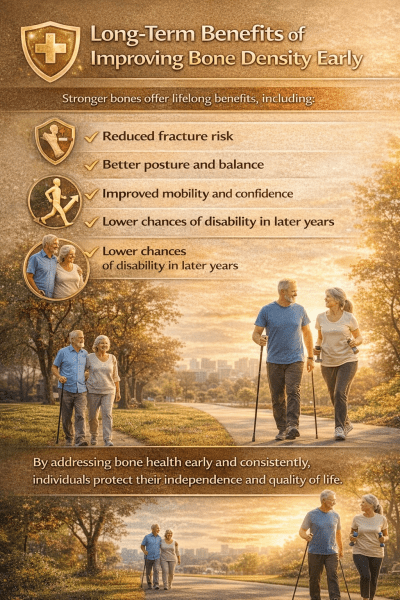
Long-Term Benefits of Improving Bone Density Early
Stronger bones offer lifelong benefits, including:
- Reduced fracture risk
- Better posture and balance
- Improved mobility and confidence
- Lower chances of disability in later years
By addressing bone health early and consistently, individuals protect their independence and quality of life.
Conclusion
The fastest way to improve bone density—often ignored by most people—is consistent weight-bearing movement combined with proper nutrition, muscle strengthening, and lifestyle balance. Supplements alone are not enough, and short-term efforts rarely deliver results.
Bones respond to regular, controlled stress over time. When supported by the right habits and professional guidance, bone density can improve at any age. Consulting a Bone doctor in chandigarh helps identify the most effective strategies tailored to individual needs.
Being proactive about bone health today prevents fractures, pain, and mobility issues tomorrow. With awareness, consistency, and the right approach, stronger bones are achievable for everyone.