
When people think about recovery in a hospital, they usually focus on medicines, treatments, and medical procedures. While these are very important, there is another powerful factor that often goes unnoticed in the hospital environment itself. The surroundings in which a patient recovers can significantly influence how fast and effectively healing takes place. This is where the concept of hospital environment recovery becomes important.
A well-designed hospital environment can improve patient comfort, reduce stress, and support faster healing. On the other hand, a poor environment can slow down recovery and negatively impact a patient’s overall experience. In this blog, we will explore how different aspects of a hospital environment affect recovery speed and why hospital environment recovery should be a priority in healthcare.
What is Hospital Environment Recovery?
Hospital environment recovery refers to how the physical surroundings, emotional atmosphere, and overall hospital conditions influence a patient’s healing process. It is not limited to medical treatment alone but includes factors such as cleanliness, lighting, noise levels, staff behavior, and room design. All these elements work together to create a space that supports both physical and mental well-being.
When hospital environment recovery is properly maintained, patients feel more comfortable, relaxed, and secure. A clean and organized setting reduces the risk of infections, while proper lighting and ventilation improve mood and energy levels. Similarly, a quiet environment helps patients rest better, which is essential for healing.
Another important aspect of hospital environment recovery is emotional support. Friendly staff behavior, clear communication, and a positive atmosphere help reduce anxiety and build trust. When patients feel cared for, their mental state improves, which directly impacts recovery speed.
Room design also plays a significant role. Comfortable beds, sufficient space, and proper ventilation contribute to better rest and relaxation. All these factors combined create a healing environment where hospital environment recovery becomes more effective and balanced.
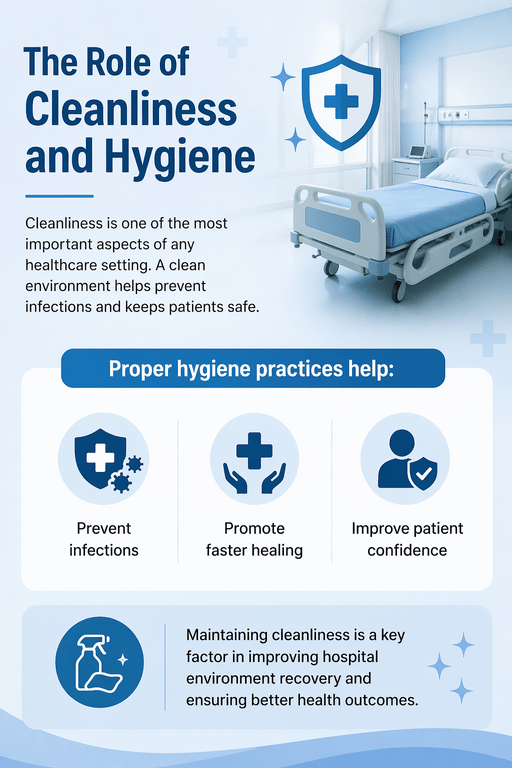
The Role of Cleanliness and Hygiene
Cleanliness is one of the most important aspects of any healthcare setting. A clean environment helps prevent infections and keeps patients safe.
Proper hygiene practices help:
- Prevent infections
- Promote faster healing
- Improve patient confidence
Maintaining cleanliness is a key factor in improving hospital environment recovery and ensuring better health outcomes.
Importance of Lighting in Recovery
Lighting is very important for helping patients recover. Natural light has been shown to improve mood, reduce stress, and support better sleep patterns.
Benefits of proper lighting include:
- Improved mental well-being
- Better sleep quality
- Faster healing
Hospitals that focus on lighting design can enhance hospital environment recovery and create a more comfortable experience for patients.
Noise Levels and Patient Comfort
Excessive noise in hospitals can increase stress and disrupt sleep, which negatively affects recovery.
Common sources of noise include:
- Medical equipment
- Conversations
- Movement in hallways
Reducing noise levels helps patients rest better and supports hospital environment recovery.
Room Design and Patient Experience
The design of hospital rooms can influence how patients feel during their stay. A well-designed room provides comfort, privacy, and a sense of safety.
Important design elements include:
- Comfortable beds
- Adequate space
- Proper ventilation
A positive room environment plays a significant role in hospital environment recovery.
The Impact of Staff Behavior
The behavior of healthcare staff is just as important as the physical environment. Friendly and supportive staff can reduce patient anxiety and improve emotional well-being.
Positive interactions help:
- Build trust
- Reduce stress
- Improve patient satisfaction
Supportive care enhances hospital environment recovery and contributes to faster healing.
Emotional and Psychological Factors
Recovery is not only physical—it is also emotional. A calm and supportive environment can reduce anxiety and promote positive thinking.
Emotional well-being affects:
- Immune system function
- Pain perception
- Recovery speed
Hospitals that focus on emotional care improve hospital environment recovery.
Importance of Air Quality and Ventilation
Good air quality is essential for patient health. Proper ventilation helps reduce the spread of infections and ensures a fresh environment.
Benefits include:
- Better breathing
- Reduced infection risk
- Improved comfort
Air quality is a key component of hospital environment recovery.
Role of Family and Social Support
Allowing family members to visit and support patients can have a positive impact on recovery. Emotional support helps patients feel more comfortable and motivated.
Family presence contributes to:
- Reduced stress
- Better mental health
- Faster recovery
This social aspect is an important part of hospital environment recovery.
Technology and Modern Facilities
Modern hospitals use advanced technology to improve patient care.
Examples include:
- Automated systems
- Digital monitoring
- Comfortable equipment
These advancements enhance hospital environment recovery by improving efficiency and patient comfort.
Nutrition and Environment
The environment also affects eating habits and nutrition. A comfortable setting encourages patients to eat properly, which supports healing.
Proper nutrition helps:
- Strengthen the immune system
- Speed up recovery
- Improve overall health
This is another factor that contributes to hospital environment recovery.
Importance of Routine and Structure
A well-organized routine helps patients feel more secure and reduces confusion.
A structured environment:
- Improves mental clarity
- Reduces stress
- Supports recovery
Consistency in care improves hospital environment recovery.
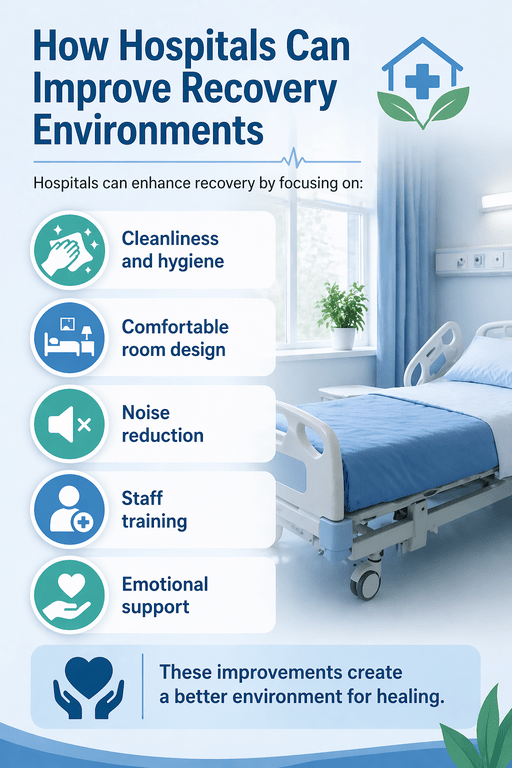
How Hospitals Can Improve Recovery Environments
Hospitals can enhance recovery by focusing on:
- Cleanliness and hygiene
- Comfortable room design
- Noise reduction
- Staff training
- Emotional support
These improvements create a better environment for healing.
Long-Term Benefits of a Good Hospital Environment
A well-maintained hospital environment does not only support immediate healing but also improves long-term health outcomes. When hospital environment recovery is given importance, patients experience faster recovery and better overall health.
One of the key benefits is reduced hospital stays. When patients recover quickly in a supportive environment, they can return home sooner. This reduces both physical and emotional stress. Another advantage of proper hospital environment recovery is a lower risk of complications. Cleanliness, proper care, and a calm environment help prevent infections and other issues.
Patient satisfaction is also significantly improved. When individuals feel comfortable and cared for, they develop a positive perception of healthcare services. This highlights how hospital environment recovery contributes not only to medical outcomes but also to the overall patient experience.
In addition, a good environment supports long-term wellness by encouraging healthy habits and reducing stress. Patients who recover in a positive setting are more likely to maintain better health after discharge. This shows that hospital environment recovery has lasting benefits beyond the hospital stay.
Final Thoughts
The hospital environment plays a crucial role in determining how quickly and effectively a patient recovers. While medical treatment is essential, the surroundings in which healing takes place can greatly influence the outcome. This is why hospital environment recovery should be a key focus in healthcare settings.
By prioritizing hospital environment recovery, hospitals can create a balanced approach that addresses both physical and emotional needs. Cleanliness, comfort, supportive staff, and well-designed spaces all contribute to faster and more effective healing. Patients who feel safe and relaxed are more likely to recover quickly and experience fewer complications.
Improving hospital environment recovery is not just about better facilities—it is about creating a positive experience for patients. When hospitals focus on both treatment and environment, they can enhance recovery speed and overall satisfaction.
In the end, healing is not only about medicines and procedures. It is also about the environment that supports recovery. By improving conditions and focusing on hospital environment recovery, healthcare providers can ensure better outcomes and a more positive journey toward health and well-being.