
Aging affects every part of the body, including the brain. As people grow older, changes in memory, concentration, thinking speed, and emotional balance may gradually appear. While some mild cognitive changes are considered a natural part of aging, significant memory loss or mental confusion should never be ignored. Understanding the importance of brain health after 60 is essential because early attention to cognitive wellness can improve quality of life, independence, and overall well-being in older adults.
Many seniors focus on physical health conditions such as blood pressure, diabetes, or joint pain but often overlook mental and cognitive wellness. The brain controls memory, emotions, communication, decision-making, and daily functioning. Monitoring brain health regularly helps identify early warning signs of cognitive decline and supports healthier aging.
Healthy habits, emotional support, mental stimulation, and lifestyle awareness all play important roles in protecting brain function after the age of 60. Early care and preventive attention can help seniors remain mentally active, emotionally stable, and socially independent for longer periods.
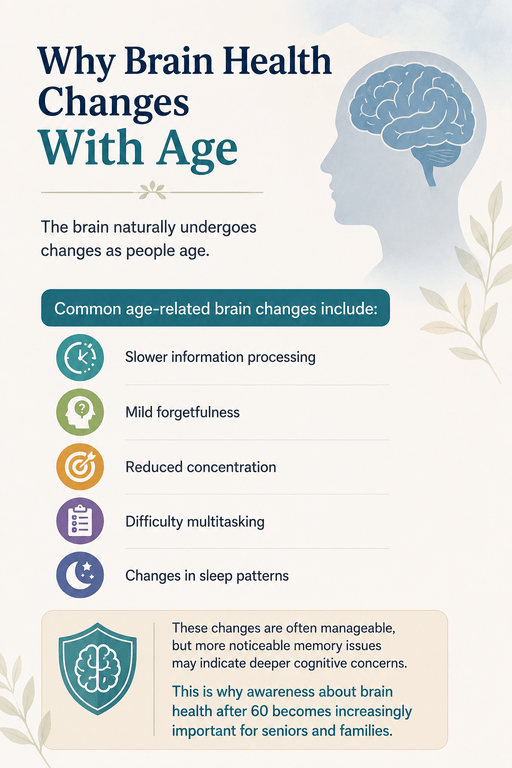
Why Brain Health Changes With Age
The brain naturally undergoes changes as people age. Certain cognitive functions may slow down gradually over time.
Common age-related brain changes include:
- Slower information processing
- Mild forgetfulness
- Reduced concentration
- Difficulty multitasking
- Changes in sleep patterns
These changes are often manageable, but more noticeable memory issues may indicate deeper cognitive concerns.
This is why awareness about brain health after 60 becomes increasingly important for seniors and families.
Importance of Early Brain Health Monitoring
Monitoring brain health helps identify problems before they become severe. Many cognitive conditions progress slowly, and early signs are often ignored as “normal aging.”
Regular observation may help detect:
- Memory problems
- Mood changes
- Difficulty concentrating
- Confusion
- Behavioral changes
Early recognition allows seniors and families to make healthier lifestyle adjustments and seek proper support when needed.
Preventive care improves long-term cognitive wellness and emotional stability.
Memory Changes and Aging
Occasional forgetfulness may happen to anyone, especially with age. However, repeated memory difficulties should not be ignored.
Warning signs may include:
- Forgetting familiar names frequently
- Losing track of conversations
- Repeating questions often
- Difficulty remembering appointments
- Misplacing items regularly
While minor forgetfulness may be common, persistent memory concerns require attention.
Monitoring memory patterns supports healthier senior cognitive health over time.
The Connection Between Brain Health and Emotional Wellness
Mental and emotional health are closely connected. Seniors experiencing stress, loneliness, anxiety, or depression may notice changes in concentration and memory.
Emotional struggles may lead to:
- Mental fatigue
- Reduced focus
- Poor sleep quality
- Lack of motivation
Healthy emotional support systems improve overall brain function and mental clarity.
Families should encourage emotional conversations and supportive daily routines for elderly individuals.
Why Sleep Matters for Brain Function
Proper sleep is essential for brain recovery and memory processing. Many seniors experience sleep disturbances due to stress, health conditions, or aging-related changes.
Poor sleep may contribute to:
- Forgetfulness
- Mental confusion
- Irritability
- Low concentration
- Daytime fatigue
Healthy sleep habits support stronger cognitive function and emotional balance.
Maintaining regular sleep schedules becomes increasingly important after the age of 60.
Physical Activity and Brain Health
Moving your body helps blood flow better throughout the body, including to the brain. Seniors who remain physically active often experience better mental alertness and emotional wellness.
Helpful activities include:
- Walking
- Stretching
- Light exercise
- Yoga
- Gardening
Regular activity may support:
- Better concentration
- Improved mood
- Higher energy levels
- Stronger memory function
Movement benefits both the body and the mind during older age.
Nutrition and Cognitive Wellness
The brain needs good nutrition to work properly. Poor eating habits may affect concentration, energy, and memory.
Healthy foods that support brain function include:
- Fresh fruits
- Vegetables
- Nuts and seeds
- Whole grains
- Healthy proteins
Hydration also plays an important role in maintaining mental clarity and focus.
Balanced nutrition is an important part of maintaining healthy aging and memory care.
Social Interaction and Mental Stimulation
Social engagement helps keep the brain active and emotionally balanced. Seniors who remain socially connected often experience better emotional health and cognitive stimulation.
Helpful activities include:
- Talking with family and friends
- Participating in group activities
- Reading
- Solving puzzles
- Learning new skills
Mental stimulation encourages the brain to stay active and engaged.
Isolation and loneliness may negatively affect cognitive wellness over time.
Chronic Health Conditions and Brain Function
Several physical health conditions may influence brain health in older adults.
Conditions linked to cognitive decline include:
- High blood pressure
- Diabetes
- Poor circulation
- Sleep disorders
- Chronic stress
Managing overall physical health also helps protect cognitive function.
Regular monitoring of general health supports long-term mental wellness.
Warning Signs Families Should Notice
Families should pay attention to behavioral or cognitive changes in elderly loved ones.
Important warning signs include:
- Increased confusion
- Sudden mood changes
- Difficulty following conversations
- Withdrawal from social activities
- Frequent forgetfulness
- Trouble completing familiar tasks
Early awareness helps families provide emotional support and encourage healthier routines.
Ignoring symptoms may allow cognitive difficulties to worsen over time.
Importance of Daily Brain Exercise
The brain benefits from regular mental activity just like the body benefits from exercise.
Simple brain-stimulating habits include:
- Reading books
- Playing memory games
- Learning hobbies
- Writing
- Listening to music
- Engaging in meaningful conversations
Daily mental engagement improves cognitive flexibility and supports healthier brain function.
Consistent mental stimulation may help maintain independence and confidence among seniors.
Stress and Its Effect on Brain Health
Long-term stress may negatively affect concentration, sleep, and emotional wellness.
Stress-related symptoms may include:
- Mental exhaustion
- Difficulty focusing
- Irritability
- Sleep problems
Relaxation activities such as meditation, breathing exercises, hobbies, and family interaction can support emotional balance.
Reducing stress is an important part of protecting memory care for seniors.
The Role of Families in Brain Health Monitoring
Families play an important role in supporting elderly mental wellness.
Helpful family support includes:
- Encouraging healthy routines
- Monitoring emotional changes
- Promoting social interaction
- Supporting regular physical activity
- Maintaining communication
Seniors often feel more confident and emotionally secure when supported by caring family environments.
Regular interaction also helps families recognize early changes more effectively.
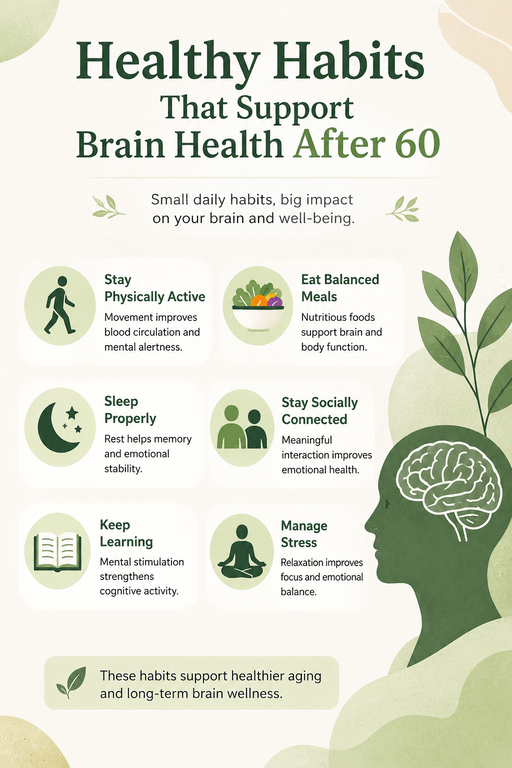
Healthy Habits That Support Brain Health After 60
Several daily habits can help seniors maintain stronger cognitive function.
Stay Physically Active
Movement improves blood circulation and mental alertness.
Eat Balanced Meals
Nutritious foods support brain and body function.
Sleep Properly
Rest helps memory and emotional stability.
Stay Socially Connected
Meaningful interaction improves emotional health.
Keep Learning
Mental stimulation strengthens cognitive activity.
Manage Stress
Relaxation improves focus and emotional balance.
These habits support healthier aging and long-term brain wellness.
Why Brain Health Awareness Matters
Many seniors ignore early cognitive symptoms because they believe memory decline is unavoidable with aging. However, brain health deserves the same attention as heart health or physical fitness.
Awareness encourages:
- Early lifestyle improvements
- Better emotional support
- Healthier daily habits
- Improved quality of life
Monitoring cognitive wellness helps seniors remain active, independent, and emotionally connected for longer periods.
Conclusion
Understanding the importance of brain health after 60 is essential because aging may affect memory, concentration, emotional wellness, and cognitive function over time. Early brain health monitoring helps identify warning signs, encourages healthier habits, and supports better long-term mental wellness in seniors.
Healthy sleep, proper nutrition, physical activity, emotional support, social interaction, and mental stimulation all contribute to stronger cognitive function after the age of 60. Families also play a major role in recognizing behavioral changes and encouraging supportive environments for elderly individuals.
Brain health should never be ignored as a normal part of aging. Consistent care, awareness, and healthy routines can help seniors maintain confidence, independence, emotional balance, and a better quality of life throughout later years.