
For couples trying to conceive but to no avail, In-vitro fertilisation (IVF) has proven to be a practical option. The In vitro fertilisation process includes a series of complex procedures with the potential to get pregnant.
The IVF treatment is suggested after the couple has been trying to get pregnant for at least one year. The in-vitro fertilisation process includes fertilising the egg and sperm outside the womb in a lab and planning the fertilised egg back into the womb to continue its natural growth process.
In this article, we will talk about the in vitro fertilisation process in complete detail to help you understand the possibilities and risks of the procedure.
Why do Doctors recommend IVF?
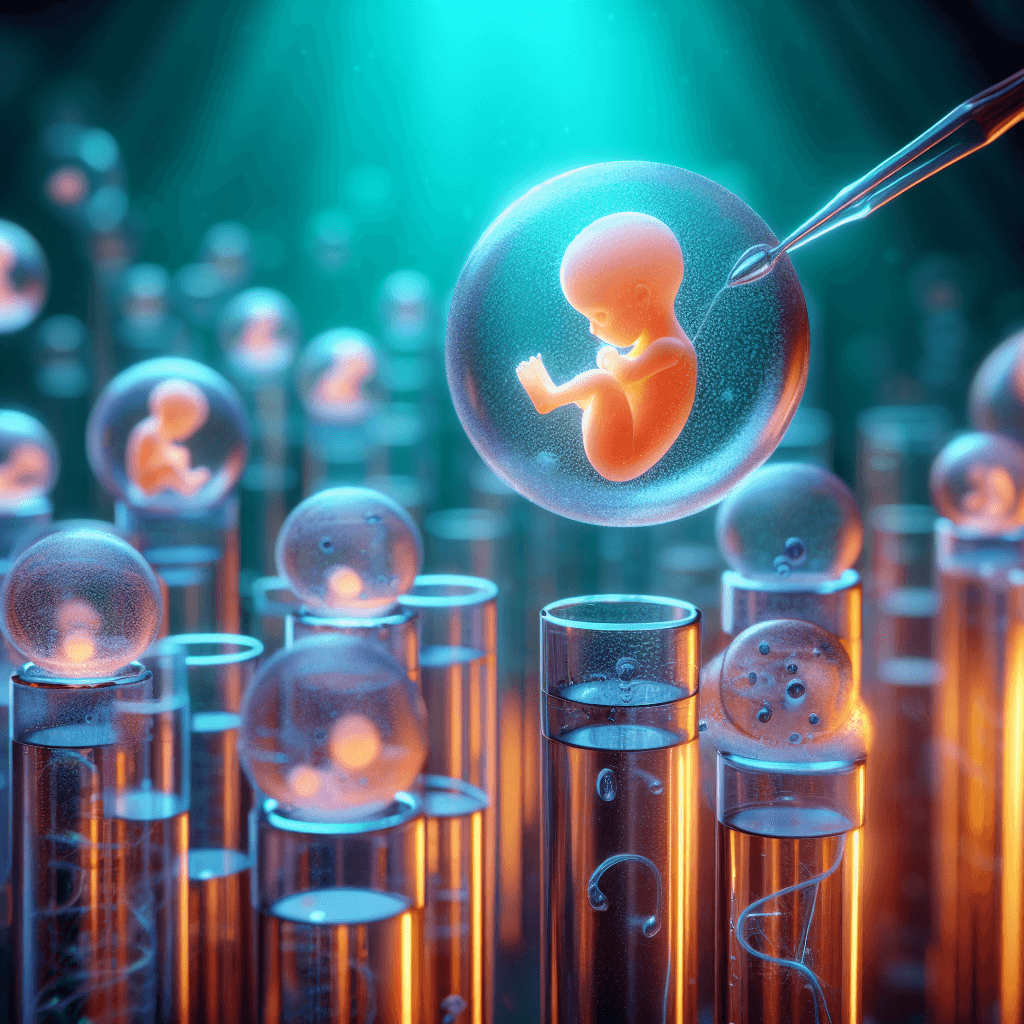
The in vitro fertilisation process is recommended as a treatment for infertility. However, there are other options a couple can try to get pregnant. But if all the other treatments are not able to provide results, IVF is trusted to help a couple get pregnant.
Here are the reasons to go for this procedure;
- Damage or Blockage in the Fallopian Tube: Eggs travel through the fallopian tube from their source (Ovaries) to their destination (Uterus). If the tubes are damaged or blocked, the eggs cannot reach the Uterus, hence failing to fertilise. Even if the eggs fertilise, the embryo cannot reach the uterus.
- Endometriosis: Endometriosis is a condition whereby tissue grows inside the uterus, affecting the ovaries, the uterus, and the fallopian tubes.
- Uterine Fibroids: Fibroids are akin to tumours that form in the uterus. In the majority of the cases, these fibroids are not cancerous but can hinder pregnancy. Mostly, females aged 30 to 40 fall prey to this condition. Due to fibroids, the eggs find it challenging to attach to the uterus lining.

- Sperm Issues: Lower sperm count or unusual changes in the sperm movement can also make it hard for the egg to fertilise. However, sperm-related issues can be treated by consulting an infertility specialist and getting the right treatment.
- Genetic Disorders: At times, either of the parents might be suffering from a genetic disorder, and they can risk passing it on to their children. In this situation, the doctors recommend undergoing the in vitro fertilisation process to prevent the transfer of the condition from parent to child. To test the parents for any risk, they have to undergo preimplantation genetic testing.
Once the eggs are harvested, they are fertilised and checked for genetic issues. Embryos without any genetic issues are placed in the uterus.
Going Through the In Vitro Fertilisation Process

To get infertility IVF treatment, couples have to be accepted by their doctors and certified gynaecologists. Once accepted, the concerned doctors and practitioners will take the fertility history.
They may also do a physical exam to ascertain the requirements of the IVF process. Women undergo several tests related to hormonal levels in the blood and to check the ovaries working.
In addition to this, they undergo ultrasound scans or other tests to check for blockages and structural problems. At the same time, males are asked to undergo semen tests to check sperm quality and quantity.
From here, the couple moves to the Assisted Conception Unit.
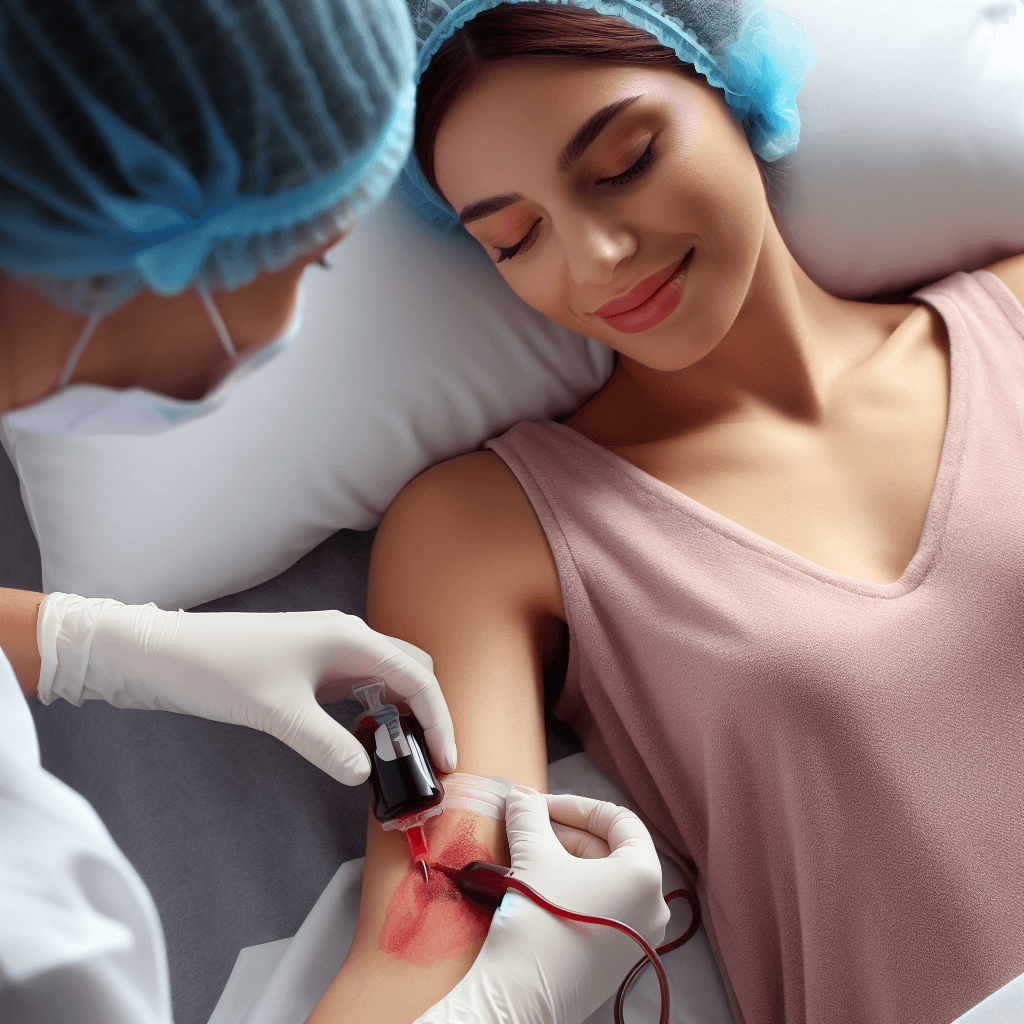
- Blood Tests: At the assisted conception unit, the couple will undergo blood tests. Some other tests to undergo include HIV, Hepatitis B, and Hepatitis C.
- Cervical Tests: Cervical tests assess the cervix’s health as it plays a crucial role in getting pregnant and fertilising the egg. The cervix connects the lower part of the uterus to the vagina.
- Donor Egg Screening: In case the couple gets donor eggs, the eggs should be screened.
- Ovarian Reserve Test: Doctors will investigate the number of eggs in the body. This test helps estimate how ovaries will respond to the IVF treatment. To assess the reserve, doctors take the anti-mullerian hormone (AMH) in the blood and count the number of eggs.
Stimulation or Superovulation
- The first step after testing is stimulation or superovulation, which is done through specialist fertility drugs to boost egg production. Instead of one egg per month, these drugs instruct ovaries to produce multiple eggs.
- At this time, the female will also take several transvaginal ultrasounds to examine the ovaries and blood tests to assess the hormone levels.
Retrieving the Egg
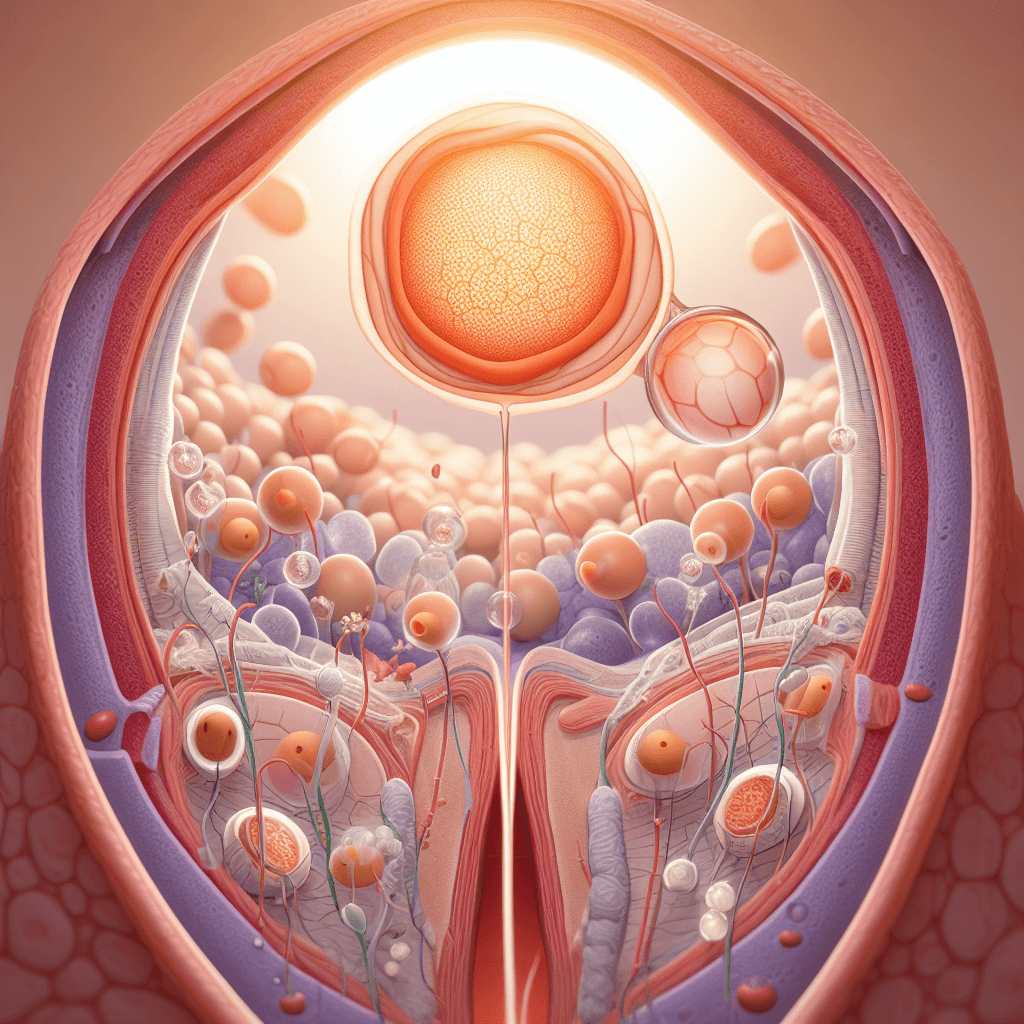
- A small surgery called follicular aspiration for removing the eggs. Adequate medicines are given for the procedure to minimise the procedural pain. Using a thin needle and guidance from ultrasound, the doctor extracts eggs with a suction device.
- The thin needle goes through the vagina into the ovary and to the follicle sacs to extract the eggs. This same process is repeated for the ovaries. The patients undergoing this procedure might feel cramps, but they will vanish after the treatment.
- In case the female’s reproductive system cannot produce eggs, donor eggs can be used for the procedure.
Proceeding to Insemination and Fertilisation
- Following the procedures discussed in the last step of the in vitro fertilisation process, the male’s sperm is placed together with the best quality eggs, leading to insemination.
- The inseminated eggs are stored in an environmentally controlled chamber; the sperm matches with eggs in a few hours.
- The sperm can also be externally injected into the eggs by professionals if the chances of fertilisation are less. This process is called intracytoplasmic sperm injection.
Embryo Culture Process
- As the fertilised egg divides, it forms an embryo, which stays under constant checkups to ensure proper growth. A report is established after 5 days with an ideal outcome of the embryo cells actively dividing.
- This is the stage where couples can ask for the pre-implantation genetic diagnosis (PGD) test. This ensures that no hereditary condition or disease is passed on to the infants. For this test, a single cell is removed from each embryo and tested for genetic conditions.
- Taking the test also gives couples the option to choose which embryo to implant and decreases the chances of passing on any genetic condition.
Transfer of Embryo
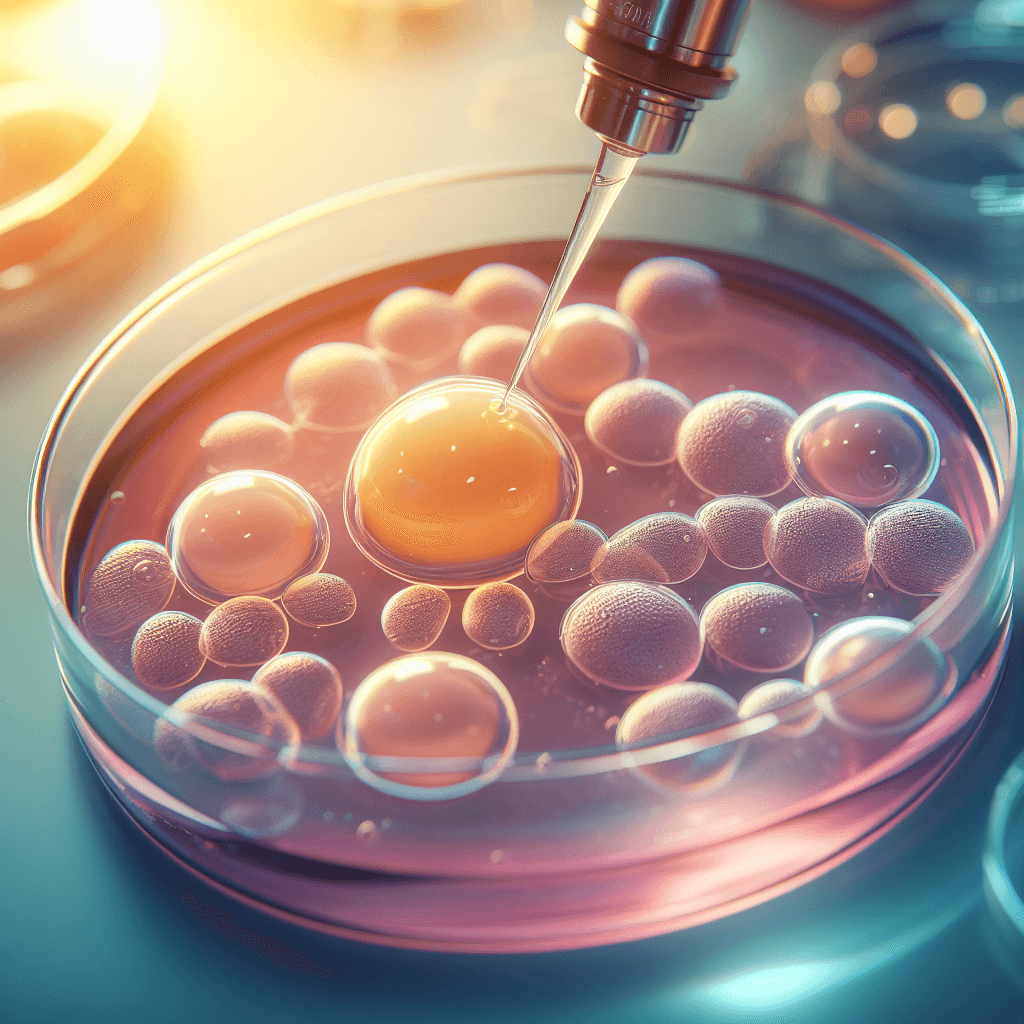
- Once prepared, the embryos are placed into the womb after three to five days of fertilisation. This procedure is done when the females are awake as the doctors insert a catheter tube into the vagina.
- The catheter goes up to the womb through the cervix and vagina. The woman gets pregnant when the embryos stick to the womb lining and grow there.
- Here, the doctors have to choose the number of embryos to be transferred carefully. When more than one embryo is placed into the womb at one time, it can lead to the birth of twins or triplets or even more.
- Any unused embryos are frozen, which can be used at a later date or donated.
This completes the in vitro fertilisation process, and at the end of the cycle, the couple goes home satisfied and to prepare for the infant to be born.
Are There Any Risks Associated with the Procedure?
The in vitro fertilisation process takes a lot of physical and mental toll on the females. The couples going for this procedure are already under stress and may even be depressed.
Depression and stress at this level may hinder pregnancy, which is why the couple is asked to relax, destress, and stay happy.
- Women taking fertility-related tests and undergoing the IVF process may experience some bloating, abdominal pain, headaches, and mood swings.
- Repeated IVF injections and medication can also cause bruising and other side effects.
- Rarely the women undergoing this procedure may develop ovarian hyperstimulation syndrome (OHSS). This syndrome causes fluid buildup in the chest and abdomen.
- In OHSS, the women can experience abdominal pain, sudden weight gain, bloating, shortness of breath, nausea, vomiting, and decreased urination.
- There can be issues with retrieving the eggs, especially with the needle, causing bleeding, infection, and damage to the bowel, bladder, or blood vessels.
- Placing more than one embryo in the womb may lead to multiple pregnancies, which increases the risk of giving birth to premature babies.
How to Get the Best Outcome with In Vitro Fertilisation Process?

To ensure the best outcome for in vitro fertilisation, you must consult expert doctors and gynaecologists with a strong history of conducting tests, insemination, and fertilisation.
With the help of experts, you can get better results and stay protected from unwanted outcomes. At Santokh Hospital, we have a dedicated team for the in vitro fertilisation process headed by seasoned experts and gynaecologists.
We understand your concerns and deliver the best possible solution with the potential outcome of being pregnant. Schedule your appointment today.