
In today’s fast-paced lifestyle, health often takes a backseat until something goes wrong. Many people delay doctor visits unless they experience visible symptoms. This raises an important question: are routine screenings truly essential, or are they just an unnecessary expense? The concept of an annual health checkup has gained significant attention, but understanding its real value can help you make smarter decisions about your well-being.
Understanding the Purpose of an Annual Health Checkup
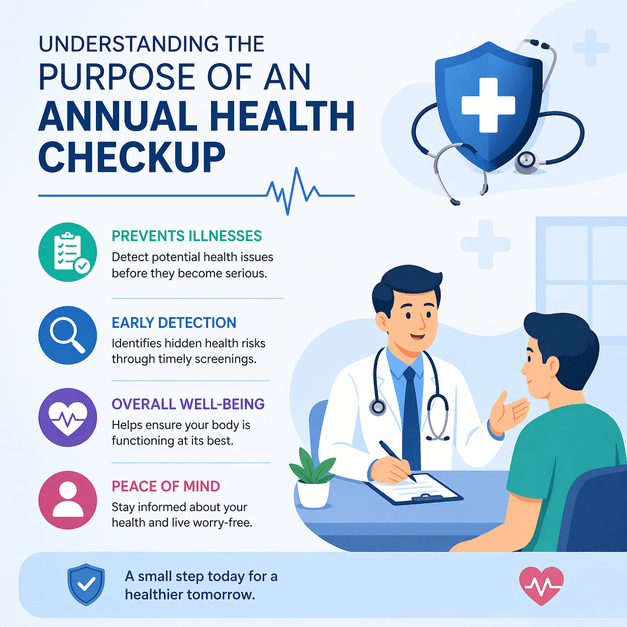
An annual health checkup is a preventive healthcare approach designed to evaluate your overall physical condition, detect potential health risks, and ensure that your body is functioning optimally. Unlike emergency visits that focus on treating existing issues, these routine checkups aim to identify problems before they become serious.
The human body often shows subtle warning signs long before a disease fully develops. But these signs can be easily missed. Regular checkups bridge this gap by providing early insights into your health status.
Why Prevention Matters More Than Cure
Preventive healthcare is far more effective and less stressful than dealing with advanced illnesses. Conditions such as high blood pressure, diabetes, and cholesterol imbalance often develop silently. Without an annual health checkup, these conditions may remain undiagnosed until complications arise.
Early detection allows timely intervention, reducing the risk of severe health outcomes. It also improves the chances of successful treatment and recovery. In many cases, simple lifestyle changes identified during a routine screening can prevent long-term health issues.
Key Benefits of Regular Health Screenings
One of the biggest advantages of an annual health checkup is peace of mind. Knowing that your body is functioning well can reduce anxiety and help you focus on your daily activities.
Another major benefit is personalized health insights. Every individual has unique health risks based on age, lifestyle, and family history. Regular screenings provide tailored recommendations, helping you make informed choices.
Additionally, routine checkups help monitor ongoing health conditions. If you already have a medical issue, consistent tracking ensures that it remains under control and does not worsen over time.
Detecting Hidden Health Risks Early
Many serious illnesses do not show symptoms in their early stages. For example, heart disease and certain types of cancer can progress silently. An annual health checkup includes diagnostic tests that can reveal these hidden risks.
Blood tests, imaging, and physical examinations work together to provide a comprehensive overview of your health. Early detection not only saves time and money but can also be life-saving.
The Role of Lifestyle in Modern Health Issues
Modern lifestyles are often characterized by poor eating habits, lack of physical activity, and high stress levels. These factors greatly raise the risk of long-term diseases. Regular checkups help identify the impact of these habits on your body.
An annual health checkup can highlight issues such as vitamin deficiencies, metabolic imbalances, or early signs of lifestyle-related conditions. This awareness empowers individuals to adopt healthier routines and improve their overall quality of life.
How Often Should You Get Checked?
While the term suggests yearly visits, the frequency of checkups may vary depending on individual health conditions. For generally healthy adults, an annual health checkup is usually sufficient. However, those with existing medical conditions or higher risk factors may require more frequent monitoring.
Age is another important factor. As you grow older, the risk of health complications increases, making regular screenings even more crucial. Preventive healthcare becomes increasingly valuable in maintaining long-term wellness.
Common Tests Included in Routine Checkups
A typical annual health checkup may include a variety of tests designed to assess different aspects of your health. These often include blood pressure measurement, blood sugar levels, cholesterol profile, and body mass index.
Depending on your health profile, additional tests such as liver function, kidney function, or imaging studies may be recommended. These tests provide a detailed understanding of your internal health and help identify any abnormalities.
Challenging the myth: “I feel fine, so I don’t need it.”
One of the most common misconceptions is that checkups are unnecessary if you feel healthy. However, feeling fine does not always mean everything is normal internally. Many conditions develop gradually without noticeable symptoms.
An annual health checkup ensures that potential issues are identified before they become serious. It shifts the focus from reactive treatment to proactive care, which is essential for long-term health management.
Cost vs Value: Is It Worth It?
Some people hesitate to schedule regular screenings due to perceived costs. However, when compared to the expenses of treating advanced diseases, preventive care is far more economical.
An annual health checkup is an investment in your future. It helps avoid costly treatments, reduces the risk of hospitalization, and ensures better health outcomes. The value it provides far outweighs the initial expense.
Mental Health and Overall Well-Being
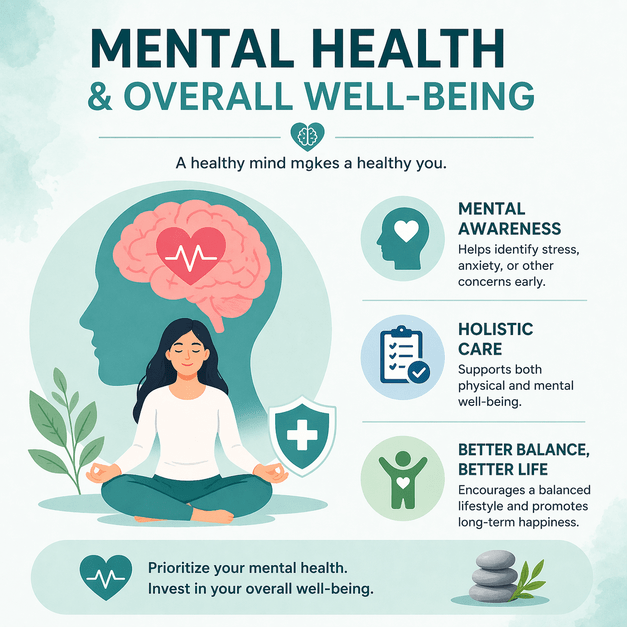
Health isn’t just about physical fitness—mental and emotional well-being matter just as much. Regular checkups often include basic mental health assessments, helping identify stress, anxiety, or other concerns.
By addressing both physical and mental aspects, an annual health checkup supports holistic well-being. It encourages a balanced lifestyle and promotes long-term happiness.
Who Should Prioritize Annual Checkups?
While everyone can benefit from routine screenings, certain groups should prioritize them even more. Individuals with a family history of chronic diseases, sedentary lifestyles, or high-stress levels are at greater risk.
An annual health checkup is especially important for working professionals, older adults, and those with unhealthy habits such as smoking or poor diet. Early intervention can significantly improve their health outcomes.
Building a Habit of Preventive Care
Incorporating regular checkups into your routine may seem challenging at first, but it becomes easier with consistency. Scheduling an annual health checkup can be seen as a commitment to self-care.
Simple steps such as setting reminders, maintaining health records, and following medical advice can make a big difference. Over time, this habit contributes to a healthier and more fulfilling life.
Final Thoughts
So, are health checkups really necessary every year? The answer is a definite yes. An annual health checkup is far more than a routine medical step; it is a proactive approach to maintaining long-term wellness. By scheduling an annual health checkup, individuals can identify potential health risks at an early stage, often before symptoms even appear. This early detection plays a crucial role in preventing complications and ensuring timely treatment.
An annual health checkup also helps in tracking existing health conditions. Whether it is blood pressure, sugar levels, or cholesterol, regular monitoring through an annual health checkup ensures that these factors remain under control. This consistent evaluation allows individuals to make necessary lifestyle adjustments and follow medical advice effectively. Over time, this leads to better health outcomes and improved quality of life.
In today’s fast-moving world, where stress, poor diet, and lack of physical activity are common, an annual health checkup becomes even more important. It provides a clear picture of your overall health and highlights areas that need attention. Instead of waiting for a problem to arise, an annual health checkup encourages preventive action, which is always more effective than reactive treatment.
Moreover, an annual health checkup offers peace of mind. Knowing that your health is being regularly assessed reduces anxiety and helps you focus on your personal and professional goals. It helps you take charge of your well-being with confidence and clear understanding.Ultimately, investing in an annual health checkup is an investment in your future. It saves you from unexpected health issues, reduces long-term medical costs, and supports a healthier lifestyle. By making an annual health checkup a yearly habit, you are choosing prevention, awareness, and a better quality of life for years to come.