
Summer brings sunshine, outdoor activities, vacations, and longer days, but it also creates several challenges for skin health. Many adults notice increased sweating, itching, tanning, rashes, acne breakouts, and skin irritation during hot weather. While some skin changes may appear temporary, prolonged heat exposure and improper skin care can worsen existing conditions and create new problems. Understanding summer skin problems is important because hot weather affects the skin more than many people realize.
The combination of rising temperatures, humidity, excessive sweating, pollution, dehydration, and sun exposure can weaken the skin’s natural balance. Adults who spend long hours outdoors, travel frequently, or work in hot environments are often more vulnerable to seasonal skin concerns. Even people who stay indoors for most of the day may experience skin irritation due to sweating, air conditioning, and dehydration.
By understanding the causes of summer skin issues and following healthy preventive habits, adults can protect their skin and maintain better comfort during hot weather.
Why Summer Affects Skin Health
The skin protects the body. During summer, this barrier faces increased stress because of heat, sweat, ultraviolet rays, humidity, and environmental pollutants.
Hot weather causes:
- Excessive sweating
- Increased oil production
- Blocked pores
- Moisture imbalance
- Greater sun exposure
These changes can make the skin more sensitive, irritated, and vulnerable to infections or breakouts.
This is why summer skin problems become extremely common among adults during hotter months.
Excessive Sweating and Skin Irritation
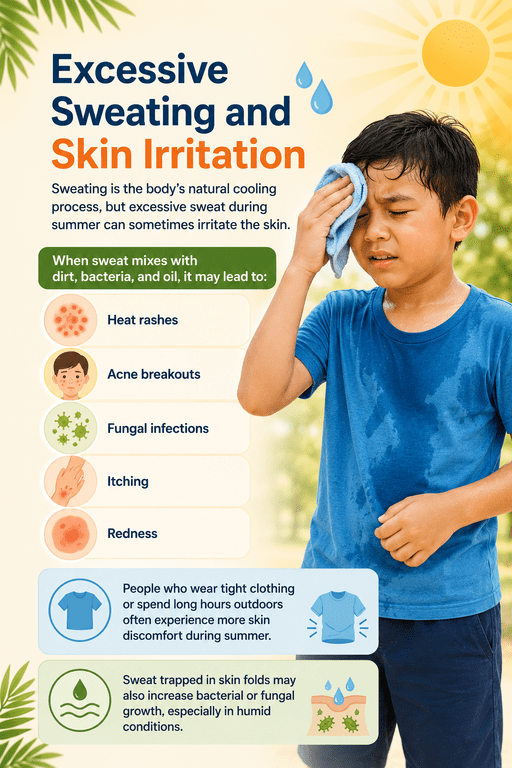
Sweating is the body’s natural cooling process, but excessive sweat during summer can sometimes irritate the skin.
When sweat mixes with dirt, bacteria, and oil, it may lead to:
- Heat rashes
- Acne breakouts
- Fungal infections
- Itching
- Redness
People who wear tight clothing or spend long hours outdoors often experience more skin discomfort during summer.
Sweat trapped in skin folds may also increase bacterial or fungal growth, especially in humid conditions.
Sun Exposure and Skin Damage
One of the biggest causes of skin problems during summer is excessive exposure to sunlight. Ultraviolet rays can damage the skin barrier and increase sensitivity.
Too much sun exposure may cause:
- Sunburn
- Tanning
- Dryness
- Premature aging
- Uneven skin tone
- Skin irritation
Adults who travel frequently or spend time outdoors during peak afternoon hours are more likely to develop sun-related skin concerns.
Protecting the skin from direct sunlight is an important part of maintaining healthy skin care during hot weather.
Increased Oil Production During Summer
Summer heat often increases oil production in the skin. Oily skin may trap dirt and bacteria more easily, leading to clogged pores and acne.
Adults with oily or combination skin may notice:
- Pimples
- Blackheads
- Greasy skin texture
- Enlarged pores
Humidity further increases stickiness and discomfort, especially on the face and neck.
Proper cleansing and hydration are important for balancing oil levels without over-drying the skin.
Dehydration and Dry Skin
Many people assume summer only causes oily skin, but dehydration can also lead to dryness and irritation.
The body loses more water through sweating during hot weather. If hydration levels are not maintained, the skin may become:
- Dry
- Tight
- Flaky
- Dull
When skin is dehydrated, it can become more sensitive and easily irritated.
Drinking enough water and eating water-rich foods support better skin hydration from within.
Common Summer Skin Problems in Adults
Several skin conditions become more common during summer months.
Heat Rash
Heat rash occurs when sweat becomes trapped under the skin. It often appears as small red bumps with itching or irritation.
Acne Breakouts
Excess sweat and oil may increase acne flare-ups, especially in adults with oily skin.
Sunburn
Overexposure to sunlight may damage the skin and cause redness, burning, or peeling.
Fungal Infections
Warm and moist conditions increase the risk of fungal growth in skin folds or sweaty areas.
Skin Allergies
Pollution, dust, excessive sweating, and certain skin products may trigger allergic reactions during summer.
Understanding these conditions helps adults follow better prevention methods.
How Air Conditioning Affects the Skin
Many adults spend long hours indoors with air conditioning during summer. While cooling systems improve comfort, they may also affect skin moisture levels.
Excessive air conditioning exposure can cause:
- Dry skin
- Irritation
- Tightness
- Increased sensitivity
The constant transition between outdoor heat and indoor cooling may also stress the skin barrier.
Using proper moisturization and hydration can help maintain healthier skin balance.
Importance of Proper Summer Skin Hygiene
Good hygiene becomes especially important during summer because sweat and dirt build up more quickly on the skin.
Helpful habits include:
- Bathing regularly
- Wearing clean cotton clothes
- Washing sweat-prone areas carefully
- Keeping the skin dry and clean
- Avoiding harsh skin products
Gentle skin care routines help reduce irritation without damaging the natural skin barrier.
Maintaining proper hygiene is one of the most effective summer rash prevention tips.
The Role of Nutrition in Skin Health
Healthy nutrition directly affects skin condition during summer.
Foods that support healthier skin include:
- Fresh fruits
- Cucumbers
- Watermelon
- Yogurt and curd
- Leafy vegetables
- Coconut water
These foods help improve hydration and provide nutrients that support skin repair and overall wellness.
Excessively oily, sugary, or processed foods may worsen acne and skin inflammation during hot weather.
Importance of Staying Hydrated
Hydration is one of the most important factors for healthy skin during summer.
Proper water intake helps:
- Maintain skin elasticity
- Reduce dryness
- Support skin repair
- Flush toxins from the body
Adults should drink water regularly throughout the day instead of waiting until they feel thirsty.
Water-rich fruits and fluids also support overall hydration and skin comfort.
Choosing Comfortable Clothing
Clothing choices significantly affect skin health during summer.
Lightweight cotton clothing helps:
- Improve airflow
- Reduce sweat buildup
- Prevent skin irritation
- Keep the body cooler
Tight synthetic fabrics may trap heat and moisture, increasing discomfort and skin problems.
Loose and breathable clothing supports healthier skin during hot weather.
Healthy Daily Habits for Better Summer Skin
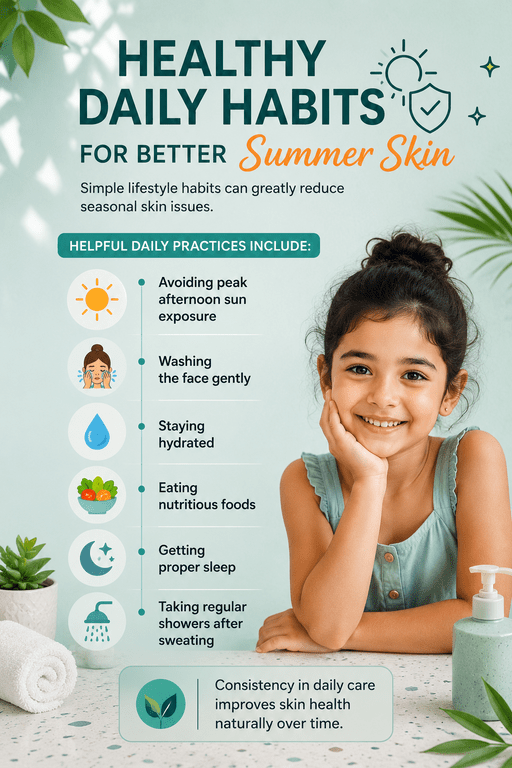
Simple lifestyle habits can greatly reduce seasonal skin issues.
Helpful daily practices include:
- Avoiding peak afternoon sun exposure
- Washing the face gently
- Staying hydrated
- Eating nutritious foods
- Getting proper sleep
- Taking regular showers after sweating
Consistency in daily care improves skin health naturally over time.
Why Skin Problems Should Not Be Ignored
Many people treat skin irritation as a minor seasonal issue, but prolonged skin problems may affect comfort, confidence, and overall well-being.
Untreated skin conditions may sometimes worsen and lead to:
- Infections
- Severe itching
- Persistent inflammation
- Skin damage
Early attention and preventive care help maintain healthier skin during summer.
Adults should pay attention to changes in the skin rather than ignoring symptoms for long periods.
Conclusion
Understanding summer skin problems is extremely important because hot weather can seriously affect adult skin health in many ways. Excessive sweating, dehydration, humidity, dust, pollution, and strong sun exposure all increase the risk of summer skin problems such as acne, itching, rashes, tanning, dryness, and irritation. During summer, the skin becomes more sensitive because the body loses more moisture and produces excess oil, which may block pores and trigger infections or breakouts.
Preventing summer skin problems requires regular hydration, proper hygiene, healthy eating habits, and daily skin care routines. Adults should drink enough water, wear lightweight cotton clothing, avoid excessive sunlight, and keep the skin clean and dry throughout the day. Fresh fruits and water-rich foods also help improve skin hydration naturally.Ignoring summer skin problems may worsen skin irritation and discomfort over time. Early care, healthy summer habits, and proper protection can help maintain healthier, smoother, and more comfortable skin during hot weather.